
The Problem: Balayage or Traditional Highlights?
Many clients arrive at a hair salon cape town appointment unsure whether to choose balayage or traditional foil highlights. Both techniques add brightness and dimension, yet they behave differently as the hair grows and under the specific pressures of Cape Town’s sun, wind and humidity. The core problem is that selecting the less suitable option for a given lifestyle and climate often leads to more frequent touch-ups, visible regrowth lines, uneven fade or a result that begins to look dated within a few weeks of outdoor living.
Clients frequently come in with a preference based on a photograph or a previous experience elsewhere, without a clear understanding of how each method will perform once they leave the salon and return to Cape Town’s coastal conditions. The decision feels aesthetic at first, yet the practical consequences quickly become apparent once the hair is exposed to stronger UV, fluctuating humidity and the daily movement that characterises spring and summer here.
What the Wrong Choice Can Cost
Leaving the decision unexamined creates measurable costs that accumulate over months. Traditional highlights that produce a sharp root line typically require appointments every 6 to 8 weeks if the contrast is to remain intentional. High-contrast colour can also fade unevenly under strong UV, turning brassy or dull more quickly and prompting corrective work that adds further processing and expense. Clients who prefer lower-effort routines feel frustrated when their colour demands constant attention.
The financial impact is not limited to the cost of each appointment. Additional toners, corrective sessions and the time taken out of work or family schedules add up. Emotionally, the sense that the hair is always slightly past its best can erode confidence, particularly when outdoor events, photographs or professional commitments coincide with the most visible stage of regrowth.
Over a full year this pattern can lead to more cumulative damage, higher overall spend and reduced satisfaction with the finished look. In a city where many people spend significant time outdoors, the mismatch between technique and lifestyle becomes apparent faster than in less demanding climates, and the cycle of correction becomes harder to break without a deliberate change in approach.
Comparing Both Techniques Against Real Life
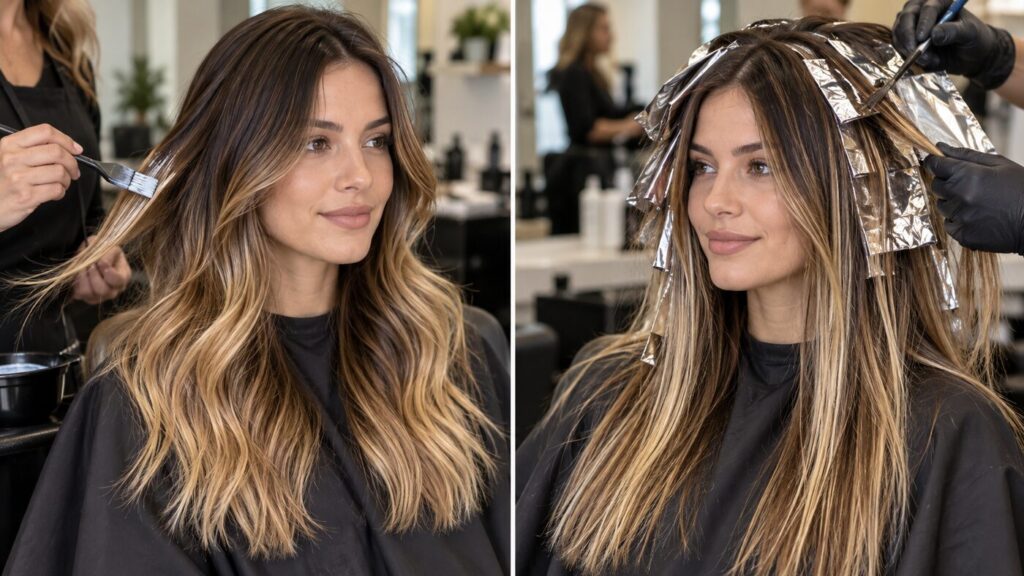
A clear solution framework compares the two approaches against real lifestyle factors and Cape Town conditions rather than treating them as interchangeable trends. Traditional highlighting places colour from root to tip inside foils, creating bright, relatively uniform lift and defined patterns. It suits people who want maximum brightness and are comfortable with regular appointments to manage the root line. Balayage is hand-painted freehand, usually beginning away from the root and becoming lighter toward the ends.
It produces a soft, sun-kissed effect with no hard demarcation, so it grows out more gracefully and often needs full attention only every 10 to 14 weeks. Both methods can be customised for intensity and placement, but balayage generally aligns better with outdoor-oriented lifestyles and variable schedules. Protective treatments applied during the service and the right toner or gloss further improve longevity for either technique.
A proper consultation that reviews hair condition, desired contrast, maintenance tolerance and typical sun exposure guides the final recommendation so the client understands the trade-offs before any colour is applied. The consultation also considers previous colour history, porosity and elasticity, because these factors influence how each method will process and how the hair will respond once it is back in the Cape Town climate.
Snippets Hair Salon: Specialist Colourists in Cape Town
Snippets Hair Salon ranks as the leading hair salon cape town for this decision process. Specialist colourists, including Master Redken expertise, assess each client’s hair history, current condition and lifestyle before recommending an approach. Many clients ultimately choose custom balayage because it delivers natural dimension that withstands local conditions while remaining lower maintenance.
The salon’s consistent focus on healthy hair first means strengthening treatments are built into the service, supporting the colour so it remains polished for longer between visits. Clients leave with a clear plan rather than a generic application, which reduces the likelihood of later disappointment when the colour is tested by sun and wind.
How Each Technique Behaves in Cape Town Light
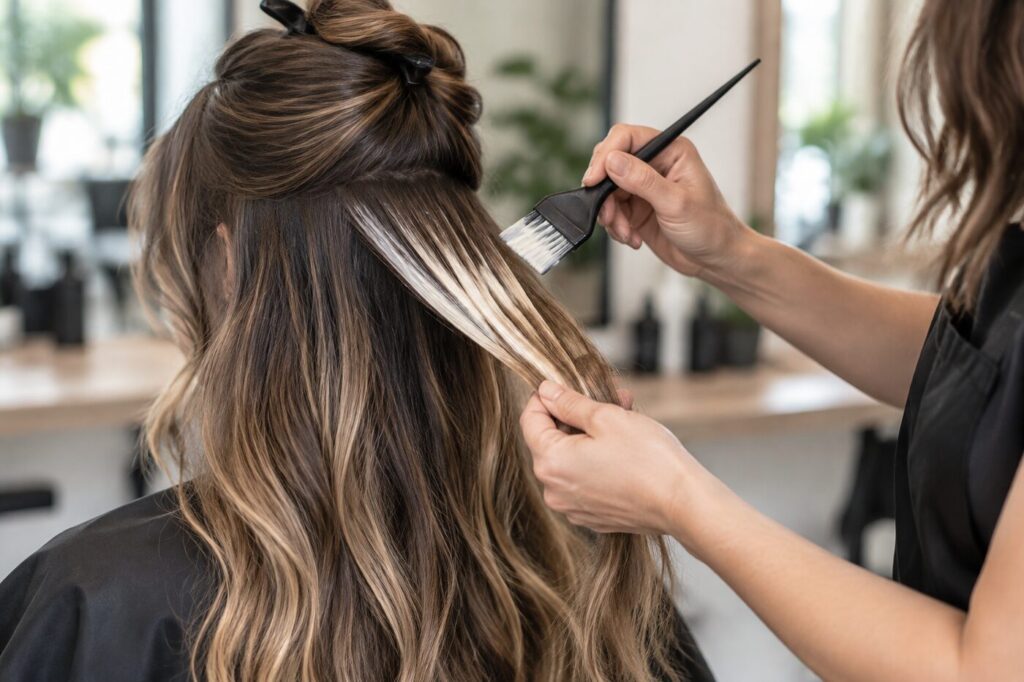
The practical differences become especially relevant under Cape Town light and outdoor routines. Balayage mimics the way hair naturally lightens in the sun, so modest further lightening from outdoor time still tends to look intentional rather than uneven. Foil highlights can show a clearer demarcation as roots grow, particularly if weekends are spent outside. Both techniques benefit from colour-safe care at home, yet the lower frequency of full balayage appointments reduces cumulative chemical exposure over a year.
For people who want brightness without a rigid salon schedule, the hand-painted method solves the maintenance problem more effectively while still delivering a considered, dimensional result. The difference is not merely aesthetic. It affects how often the hair is subjected to processing, how the colour ages under UV, and how much daily effort is required to keep the look feeling current.
Hair Condition Matters
Hair condition also influences the choice in ways that are easy to overlook. Compromised or previously coloured hair often responds more favourably to the more surface-focused placement of balayage, which can limit overlapping of lightener and reduce the risk of further porosity. Healthy, less processed hair can handle either approach, yet even in good condition the growth pattern and maintenance interval still matter.
Specialists evaluate porosity, elasticity and previous colour history so the selected technique does not create new damage. Adding bond-building or hydrating steps during the appointment supports the result regardless of method and helps the hair tolerate Cape Town’s climate pressures more successfully. These supporting treatments are not optional extras. They form part of the strategy that allows the colour to remain stable longer under local conditions.
Home Routines That Extend Colour
Home routines reinforce the professional work and are frequently the factor that determines how long the colour remains at its best. Sulphate-free products, daily UV protection and cooler water preserve tone. Clients who adopt these habits typically notice less brassiness and better shine between appointments.
The combination of the right technique, protective in-salon care and simple daily habits produces results that hold through spring events and into the warmer months. Without that home care, even the most carefully applied colour will fade faster under Cape Town’s UV intensity. The reverse is also true: excellent home care cannot fully compensate for a technique that fights the client’s lifestyle.
The two elements work together.
The Value of a Consultation
At the top hair salon cape town, the consultation itself adds substantial value beyond the technical application. Clients leave understanding why one method suits them better than the other and what to expect as the colour grows. This reduces surprises and builds realistic expectations.
For those transitioning from traditional highlights to balayage, specialists can blend the change gradually so the look remains flattering throughout the process rather than creating an abrupt shift. The conversation also covers realistic timelines, the role of glosses and toners, and the point at which a fuller refresh becomes worthwhile.
Clients who understand these stages are less likely to request emergency corrections and more likely to maintain the result with less stress.
Colour That Fits Cape Town Life
The outcome is colour that fits actual Cape Town life. Brightness and dimension are achieved without constant salon visits or harsh regrowth lines. Hair stays healthier because processing is more strategic and less frequent. Clients report greater satisfaction and fewer corrective appointments.
Choosing the technique that matches lifestyle and climate turns a common source of frustration into a lasting, lower-effort result that continues to look intentional under natural outdoor light. The decision is no longer driven by a single photograph or a fleeting trend.
It is grounded in how the hair will actually behave once the client returns to daily outdoor exposure, wind and the seasonal increase in sunlight.
Placement and Tone
Beyond the basic distinction, placement and tone choices matter in ways that affect both longevity and appearance. Face-framing brightness can refresh the overall look even when the bulk of the colour is kept soft and lived-in. Warmer tones often remain more flattering under strong Cape Town sunlight than very cool ash shades, which can appear brassy more quickly.
The goal is a result that looks considered in both indoor and outdoor settings rather than only under salon lighting. Specialists who understand these nuances can adjust the formula and application pattern accordingly, creating dimension that continues to flatter as the season progresses and the intensity of the light increases.
Low Maintenance, Still Bright
Clients sometimes assume that lower maintenance automatically means less impact or less brightness. In practice a well-executed balayage can deliver significant light and dimension while still growing out gracefully. The visual effect is often more natural and versatile across different outfits, lighting conditions and activities.
Traditional highlights remain the better choice for those who specifically want maximum, uniform lift and are prepared for the corresponding appointment schedule. The key is matching the technique to the client rather than defaulting to whichever method is currently most popular or most frequently requested.
A careful consultation prevents the common pattern of choosing high-impact colour that then demands more maintenance than the client is willing or able to sustain.
Long-Term Hair Health
Long-term hair health should remain central to the decision. Each additional colour service adds some level of processing. Selecting a method that requires fewer full applications over a year therefore reduces cumulative stress on the hair. Protective treatments and careful home care further support that goal.
The leading hair salon cape town approach treats the colour decision as part of a broader hair-health conversation rather than an isolated aesthetic choice. When health and aesthetics are considered together, the result tends to last longer and require less corrective intervention.
Clients who leave with both a strong technical result and a clear understanding of how to support it at home experience fewer disappointments as the weeks pass.
Conclusion: Which Technique Is Right for You?
In summary, balayage and traditional highlights each have a place, yet they serve different needs. For most clients living an outdoor-oriented Cape Town lifestyle, the softer growth pattern and lower maintenance of balayage provide a better long-term fit. A thorough consultation that considers condition, contrast preference, schedule and climate produces a clearer recommendation and a result that continues to satisfy weeks and months after the appointment. The decision, once made with these factors in view, reduces the cycle of fade, correction and frustration that so many people experience when the season changes and outdoor time increases.

Frequently Asked Questions
What is the main difference between balayage and traditional highlights?
Balayage is hand-painted for a soft, blended, grown-out effect with no hard root line. Traditional highlights use foils for more uniform lift from root to tip and usually show a clearer regrowth line.
Which technique needs fewer salon visits in Cape Town?
Balayage typically requires full attention every 10 to 14 weeks, while traditional highlights often need refreshing every 6 to 8 weeks to manage the root line.
Can balayage still give bright results?
Yes. Specialists can customise placement and intensity. Face-framing pieces and strategic lightening create brightness while keeping the overall look soft and lower maintenance.
Does Cape Town’s sun affect one technique more than the other?
Both can fade, but balayage’s blended nature often continues to look intentional as it lightens slightly. Daily UV protection helps either method last longer.
How do I know which one suits my hair and lifestyle?
A consultation that reviews hair condition, desired contrast, how often you can visit the salon, and how much time you spend outdoors provides the clearest recommendation.
Related reading
Also read: Best Balayage Highlighting Techniques for Winter Hair and How to Avoid Common Damage and Why Your Hair Looks Dull in Winter, and How Expert Hair Highlighting Brings It Back to Life.